Late one rainy evening in Portland, mid-November last year, I stared at a terminal window where the Python syntax looked like an alien language. I’d spent four hours moving the same three lines of code back and forth, achieving nothing but a headache and a sense of impending doom. As a 38-year-old developer who’s been remote since the world shifted in 2020, I’d slowly watched my focus dissolve into a soup of context switching and Zoom fatigue.
Honestly, it felt like my brain’s bandwidth had been throttled. I was missing deadlines—something that never happened in ten years of office work. Before I dive into how I finally fixed it, just a quick heads-up: this post contains affiliate links. If you buy through them, I earn a commission at no extra cost to you. I only share the focus tools and brain supports I’ve actually tested during my own deep work sessions in this studio apartment. I’m not a doctor, just a dev who got tired of feeling like a legacy system with no documentation. Talk to your own health professional before trying new supplements or routines.
When the Home Office Becomes a Focus Prison
The problem with working from a studio apartment isn't just the lack of square footage; it’s the lack of psychological boundaries. My home office doubles as my living room, which doubles as my dining room, which is about six feet away from my bed. By the end of last year, the walls felt like they were closing in. I was stuck in a loop: wake up, drink a cup of coffee (roughly 95mg of caffeine according to the USDA, though it felt like zero), and sit at the same desk where I’d eventually eat dinner and watch Netflix.
I realized I was in trouble when I missed two client deadlines in the same month. One of those was for a long-term client who’d been with me since 2016. Receiving that "checking in" email felt like a bug report I couldn't fix. I tried the standard advice: "separate your work and rest areas." Look, unless I’m going to code in the bathtub, that’s not happening. I needed a way to build sensory walls since I couldn't build physical ones.
The Supplement Graveyard and the 3 PM Crash
By late February, I was desperate. I started what I now call my "Supplement Graveyard" phase. My kitchen counter looked like a pharmacy. I tried everything. I started with a budget-friendly option, Neuro-Thrive, which gave me a decent baseline, but I was still chasing that elusive "limitless" feeling. Then I moved on to NeuroPrime when I had a particularly heavy sprint. I’m not saying they didn't work—they did provide a lift—but I was still struggling with the environment itself.
The issue is that for a remote worker, focus isn’t just about chemistry; it’s about state management. I was drinking coffee late into the afternoon, forgetting that the half-life of caffeine is approximately 5 to 6 hours. I’d be jittery at 9 PM but brain-dead at 3 PM. I even spent two hours one morning setting up a complex productivity app with color-coded tags, nested projects, and custom notifications, only to never open it again after the first day. It was just more digital noise.
I was stuck in a cycle of "productivity theater" where I’d spend more time tracking my focus hours like my billable hours than actually producing code. I needed something that didn't require me to manage a new system or swallow six different pills every morning.
The Turning Point: Debugging Brainwaves
The shift happened after about six weeks of trial and error. I started reading about brain entrainment and frequencies. As a developer, the logic appealed to me. If your CPU is running at the wrong clock speed, the software stutters. Why would the brain be any different? I learned about the Alpha brainwave frequency range, which is 8-12 Hz—the sweet spot for relaxed, creative focus. It’s the state you’re in when you’re in the flow, not when you’re vibrating from too much espresso.
I decided to test audio-based support. I’d used white noise before, but this was different. It’s about using binaural beats, which require stereo headphones to create a "third tone" perception in the brain. It’s basically a hack to nudge your brain into specific states. This led me to my search for the perfect remote work brain hack, and eventually to a program called The Brain Song.
Why Audio Frequencies Beat the Fourth Espresso
What I liked about the audio approach was the lack of friction. I didn't have to remember to take a pill at a specific time or worry about a caffeine crash. I just put on my noise-cancelling headphones and hit play. For someone in a studio apartment, this was the breakthrough. When the audio started, my living room vanished. I wasn't sitting next to my unmade bed anymore; I was in a dedicated cognitive space.
I noticed a specific low-frequency hum in my headphones that made the sound of my neighbor's leaf blower completely vanish. It was like I’d finally installed a firewall between my brain and the distractions of Portland street life. I started using these sessions as my "work blocks." I’d even use the 40-minute Zoom free-tier meeting limit as a natural timer—if a meeting went over that, it was a sign my focus was likely to dip anyway.
Rebuilding the Stack: From Capsules to Sound
By the time summer rolled around, I’d completely overhauled my routine. I stopped chasing the "pill-based fix" as my primary solution. Instead, I used things like The Genius Song specifically for deep-dive debugging sessions. It’s a slightly different frequency profile designed for high-intensity cognitive loads. The current price for these audio programs is on the vendor’s page and can change, but for me, the value was in the reclaimed billable hours.
I still use supplements occasionally, but they’re now the secondary support, not the primary driver. It’s about testing brain frequencies while coding to see what actually sticks. For example, I found that I couldn't use the high-frequency tracks for more than two hours without feeling over-stimulated, but the Alpha-range tracks were perfect for 4-hour deep work blocks.
One humid afternoon in August, I had a moment of realization. I was working on a complex API integration—the kind of task that used to send me spiraling into a YouTube rabbit hole after twenty minutes. I’d been at it for three hours. I felt that sudden, cool clarity in the back of my skull when a flow state finally hits after weeks of mental fog. I wasn't "trying" to focus; I was just... focusing. The code was making sense again.
The Practical Dev’s Guide to Sensory Boundaries
If you’re a remote worker struggling with the same dissolving focus I had, here is what I’ve learned from a year of being my own guinea pig. First, your environment is probably your biggest bottleneck. If you can’t change your physical space, you have to change your sensory input. Audio is the fastest way to do that. Just make sure you’re using actual stereo headphones; the binaural effect doesn't work through laptop speakers or a single earbud.
- Stop the caffeine escalation: If you’re past your third cup, you’re just borrowing energy from tomorrow with high interest.
- Use sound as a wall: Frequency-based audio like The Brain Song can act as a psychological trigger that tells your brain "we are coding now."
- Track the feeling, not just the hours: I stopped using those complex apps and started just noting how I felt at the end of a block. Did I have that "cool clarity" or was I just tired?
- Phone in the other room: Seriously. If it’s within reach, your focus is already compromised.
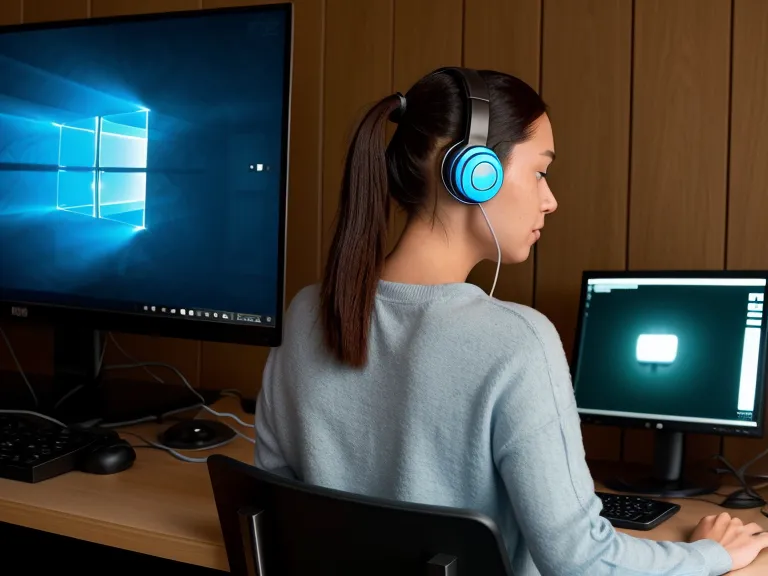
Honestly, the biggest lesson was realizing that focus isn't a pill you swallow; it's a state you trigger. My studio apartment is still small, and I still have to look at my bed while I work, but the "sensory walls" I’ve built with audio frequencies have made it a functional office again. If you're feeling like your brain is constantly at 100% CPU usage with 0% throughput, it might be time to stop adding more supplements and start changing the frequency. You can check out The Brain Song here if you want to see the specific approach that finally cleared the fog for me. It’s been the most consistent tool in my stack for getting back into the flow without the jitters.